

Gorilla Tapes
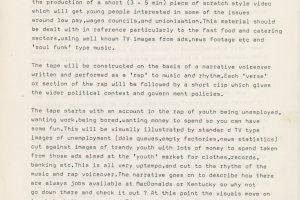
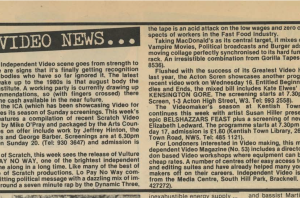
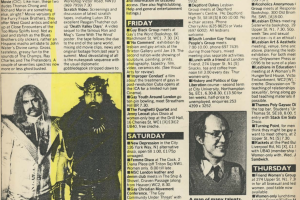
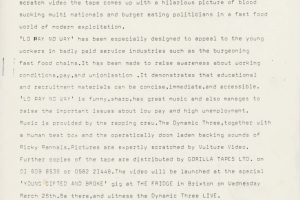
Gorilla Tapes are a London-based video art collective founded in 1984 by Tim Morrison, Jon Dovey, Gavin Hodge and Jean McClements. The group became a pivotal force in the ‘Scratch Video’ movement, a form of video art that emerged in Britain during that decade, characterised by rapid editing, the reappropriation of film and broadcast footage, and political commentary. The term Scratch Video comes from the similarity to ‘scratching’ vinyl records, which produced repeated rhythmic loops, although the technique for achieving this with video was done through editing rather than live.
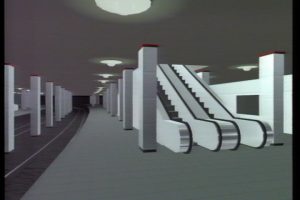
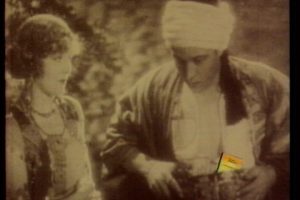
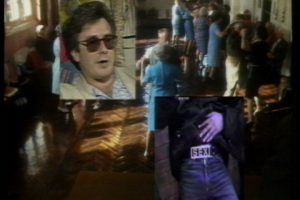
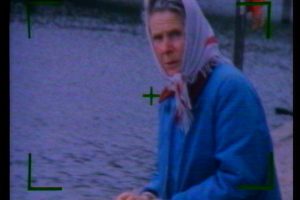
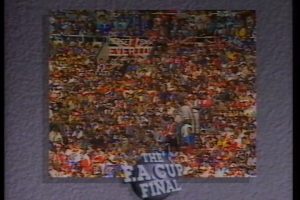
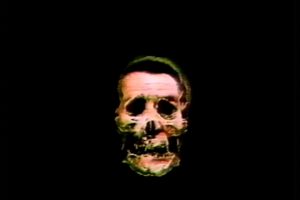
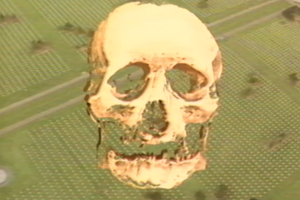
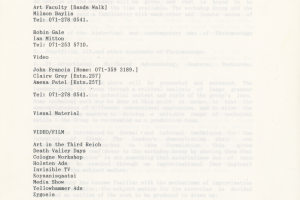
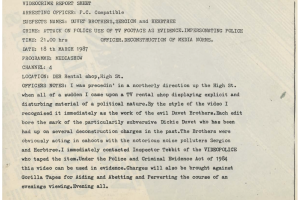
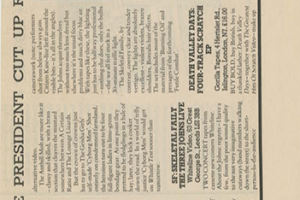
Along with contemporaries Duvet Brothers and George Barber, Gorilla Tapes created various brief, experimental videos that frequently criticised media culture, politics, and power dynamics. One of their more well-known pieces, ‘Death Valley Days’ (1984), reframes mass media information using video collage techniques. ‘Death Valley Days’, their pioneering first production, helped develop the editing style and techniques used in Scratch Video.
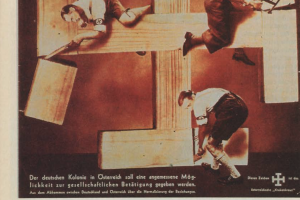
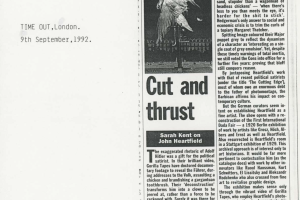
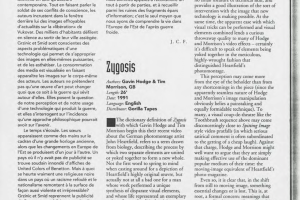
From August to October 1991, Gorilla Tapes’ work ‘Zygosis – John Heartfield and the Political Image’ was exhibited at the Barbican Art Gallery in London as part of the John Heartfield Exhibition. The Piece employed Heartfield’s pioneering Photomontage techniques to offer a critical reflection on media and politics.
In addition to their artistic practice, the collective also produced an extensive range of programmes, including non-broadcast, corporate, and instructional films, as well as magazine segments, drama, arts, and entertainment for the BBC, ITV, Sony, Channel Four, and the British Film Institute.
In 1991, Gorilla Tapes were awarded the Grand Prix for Best Short Film at the 33rd Bilbao International Film Festival and the Silver Hugo Award at the Chicago International Film Festival. These awards emphasise the significance and ongoing relevance of their contributions to media critique and experimental video.
-
External Links:
-
Artist works:
-
Artist organisations:
-
Artist assets: